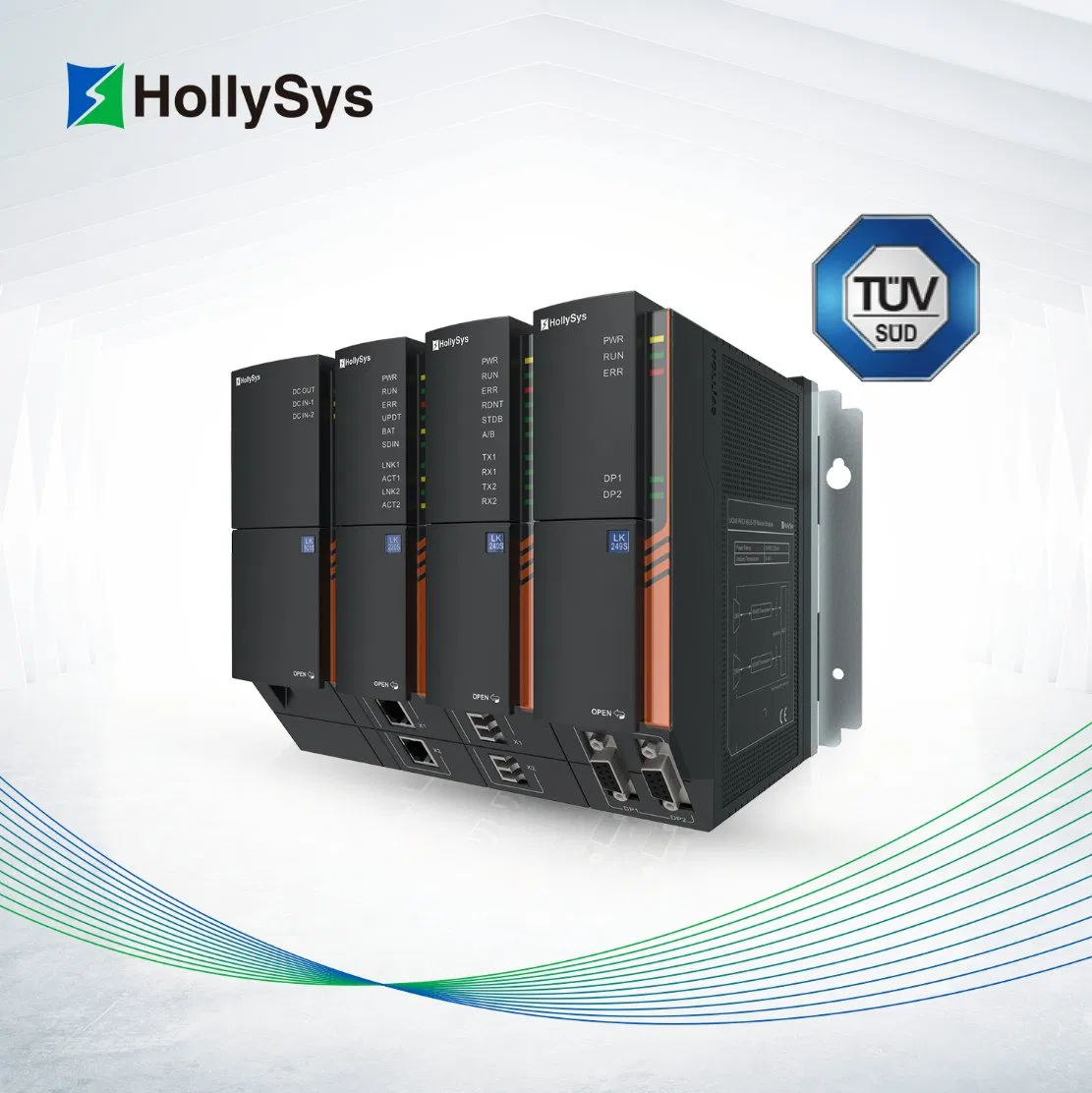
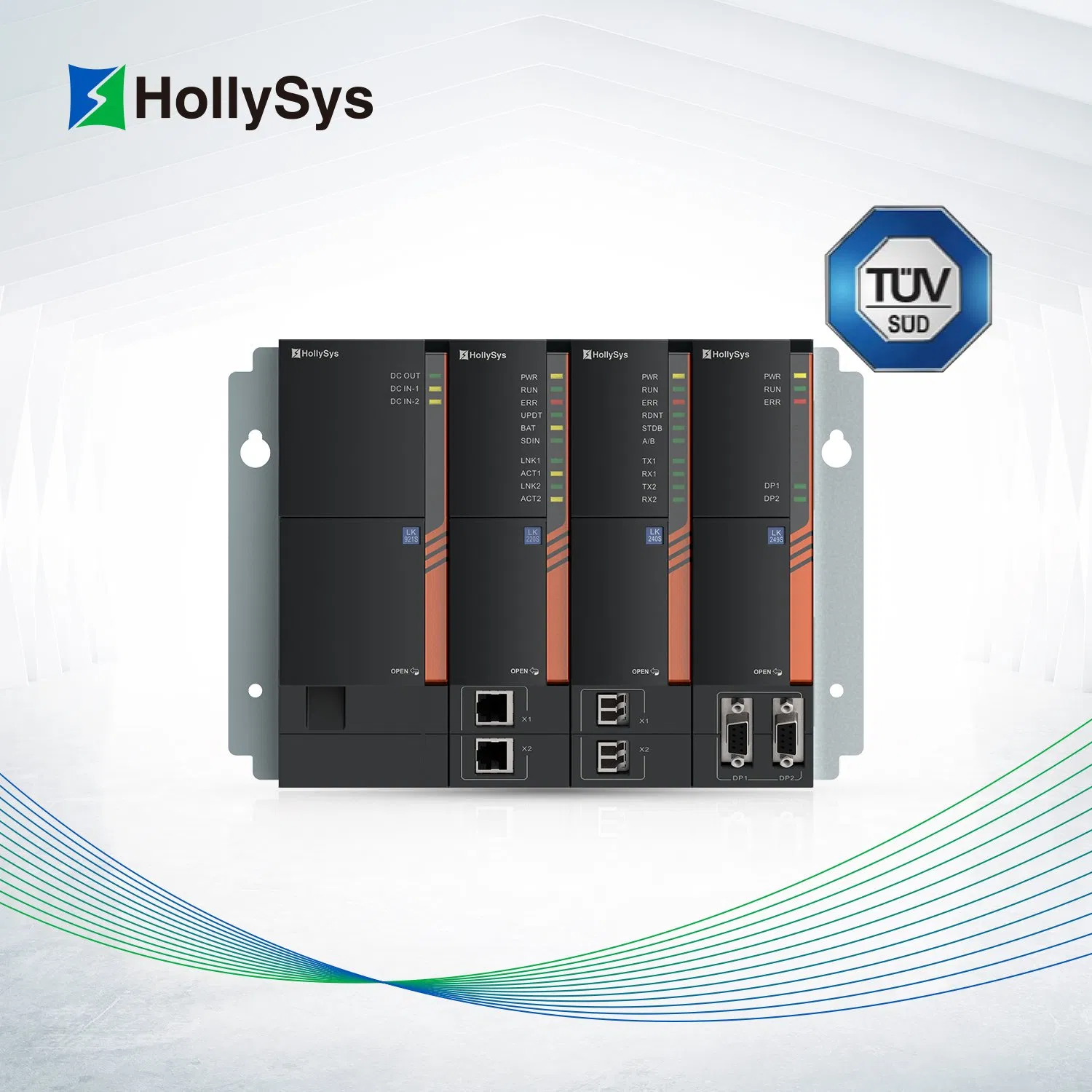
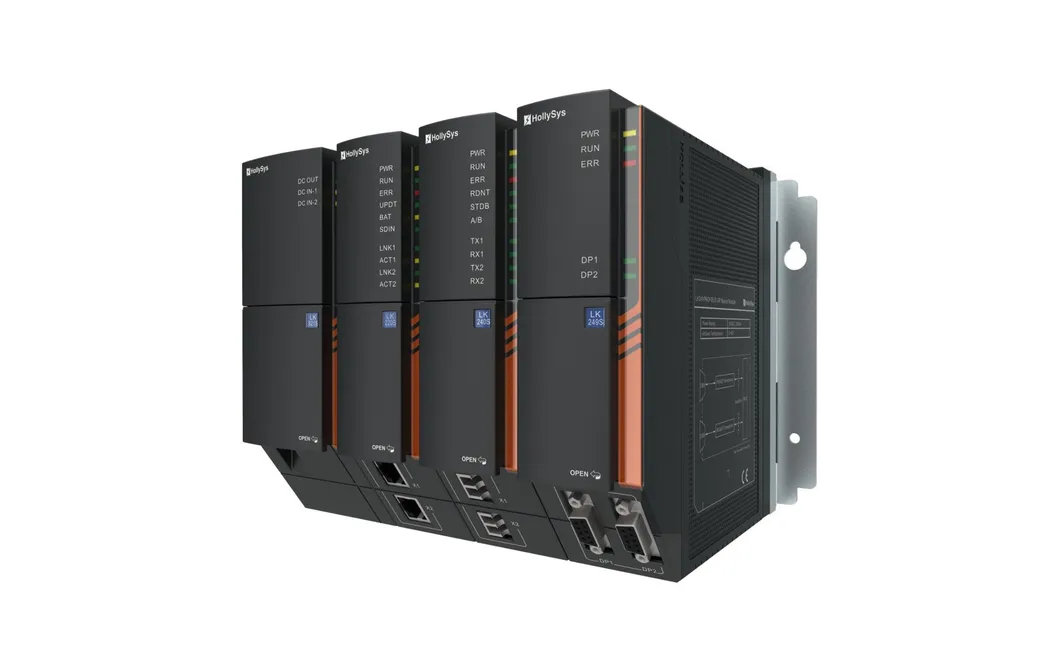
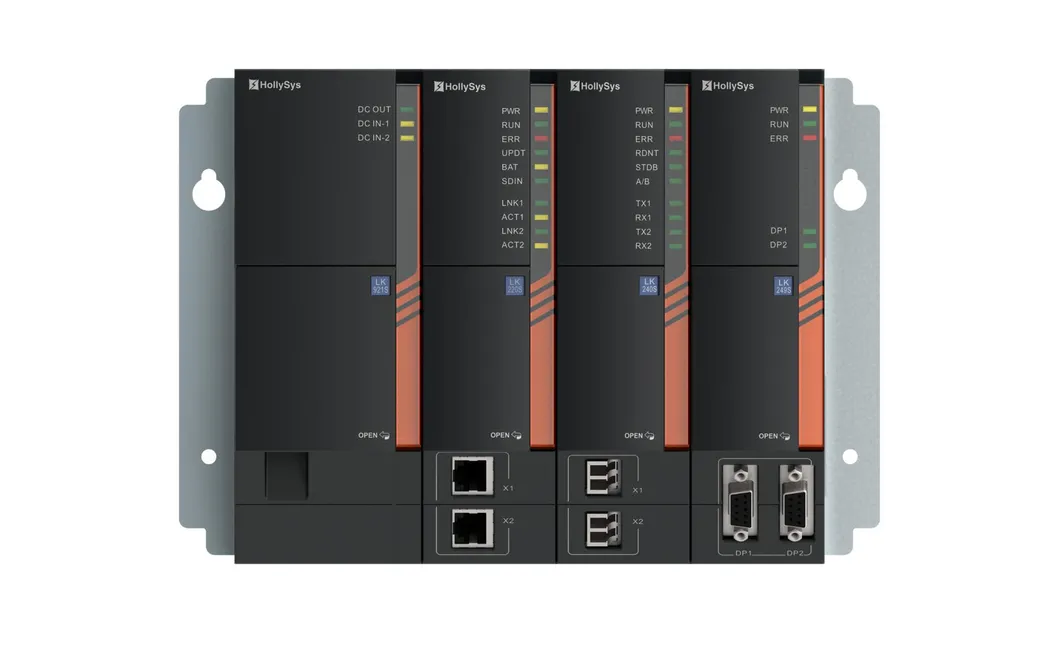
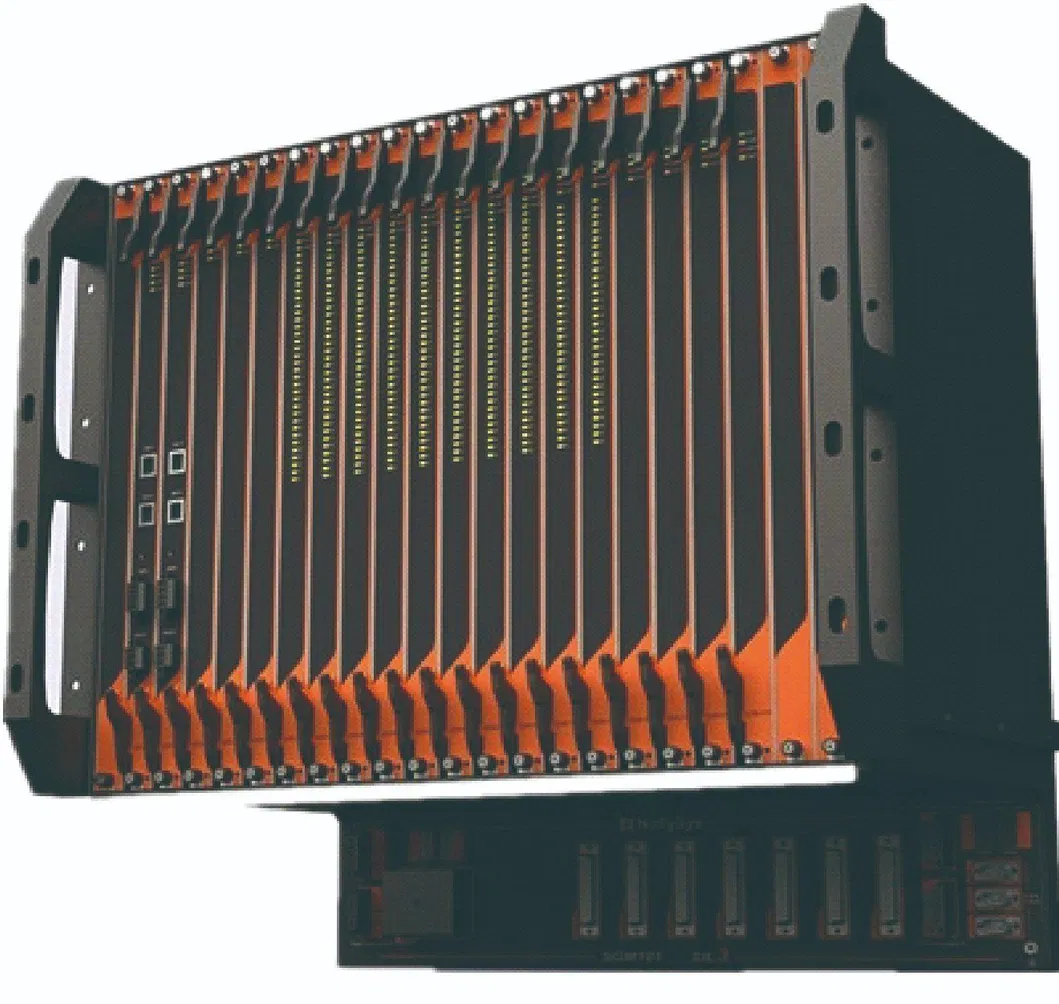
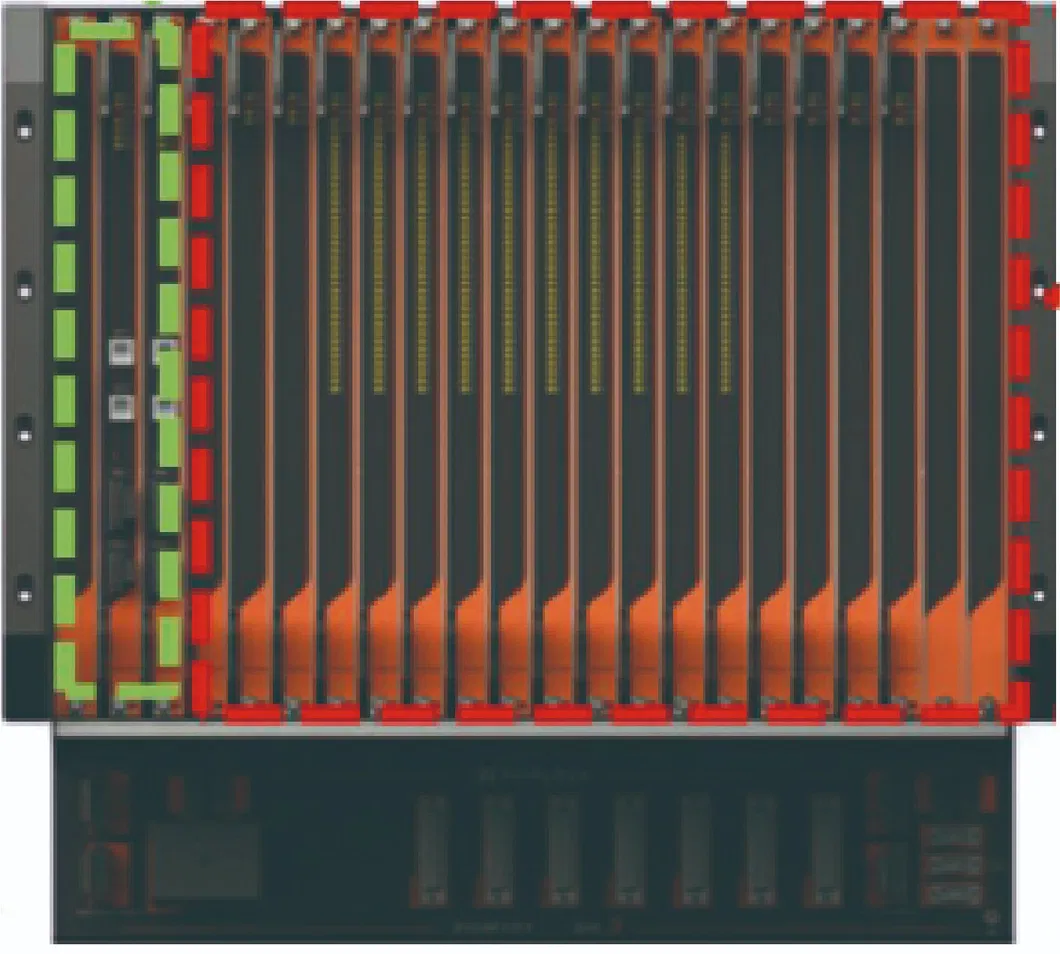
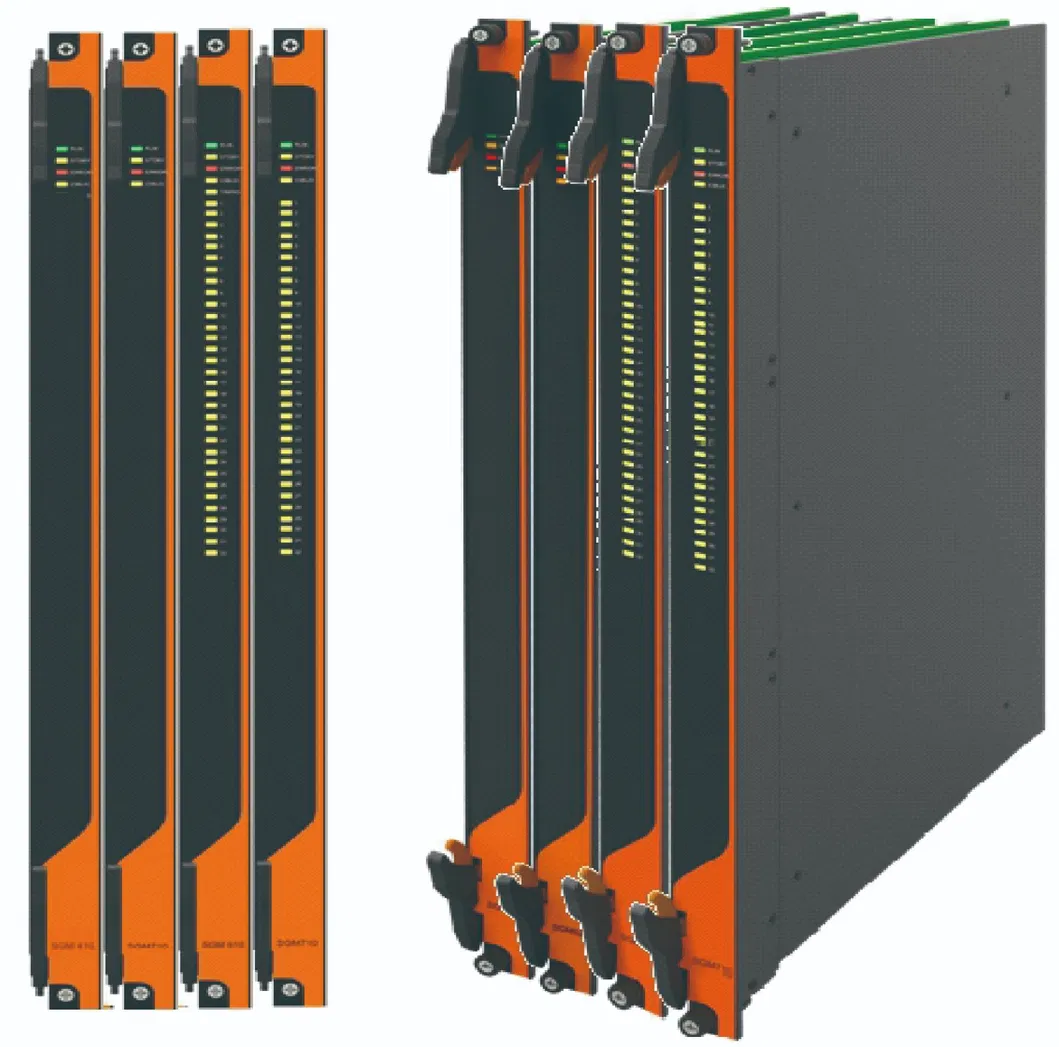
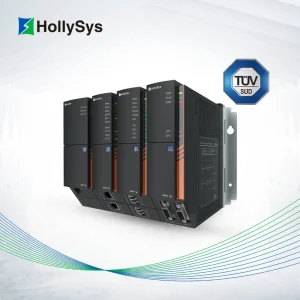
LKS SIL2 SIS is SIL2-certified by TÜV SÜD and tailored for complex safety applications that require high reliability, efficiency, and flexibility. It protects people, equipment, processes, and investments, giving customers confidence in their safety needs. Utilizing 1oo1D architecture, it is ideal for critical applications such as Emergency Shutdown Systems (ESD), Process Shutdown Systems (PSD), Burner Management Systems (BMS), Fire & Gas Systems (FGS), Emergency Trip Systems (ETS), and Gas Detection Systems (GDS).
Enhanced Safety
· 1oo1D architecture
· Software with de-compilation verification
· Compliant with SIL2 standard (IEC61508/IEC61511/EN50128/ EN50129/EN50126)
High Reliability
· 99.99% safety loop availability
· Over 90% of diagnosis coverage
· 100,000-hour MTBF
High Scalability
· 124 1/0 slave stations / 900+ 1/0 points per control station
· Seamless integration with LK modules
What is the specific safety certification for this system?
The LKS SIL2 SIS is fully certified to SIL2 standards by TÜV SÜD, complying with IEC61508, IEC61511, and several EN standards for industrial and railway safety.
What architectures does the system support for critical applications?
The system utilizes a 1oo1D architecture, specifically designed to provide high reliability for Emergency Shutdown (ESD) and Fire & Gas Systems (FGS).
Can this system be integrated with existing LK modules?
Yes, the LKS SIL2 SIS offers seamless integration with various LK modules, allowing for high scalability up to 900+ I/O points per control station.
What is the diagnostic coverage of the LKS SIL2 SIS?
The system provides over 90% diagnostic coverage with a 99.99% safety loop availability, ensuring maximum process uptime and protection.
What are the environmental operating limits for the CPU module?
The module is designed to operate in temperatures ranging from 0ºC to +60ºC and can be stored in conditions from -40ºC to +70ºC.
Does the system support remote communication protocols?
Yes, it features dual-network-port redundancy and supports the Modbus TCP protocol for robust industrial communication.
 Eeptron PLC